Mentalt feltarbejde / Inner Archaeology
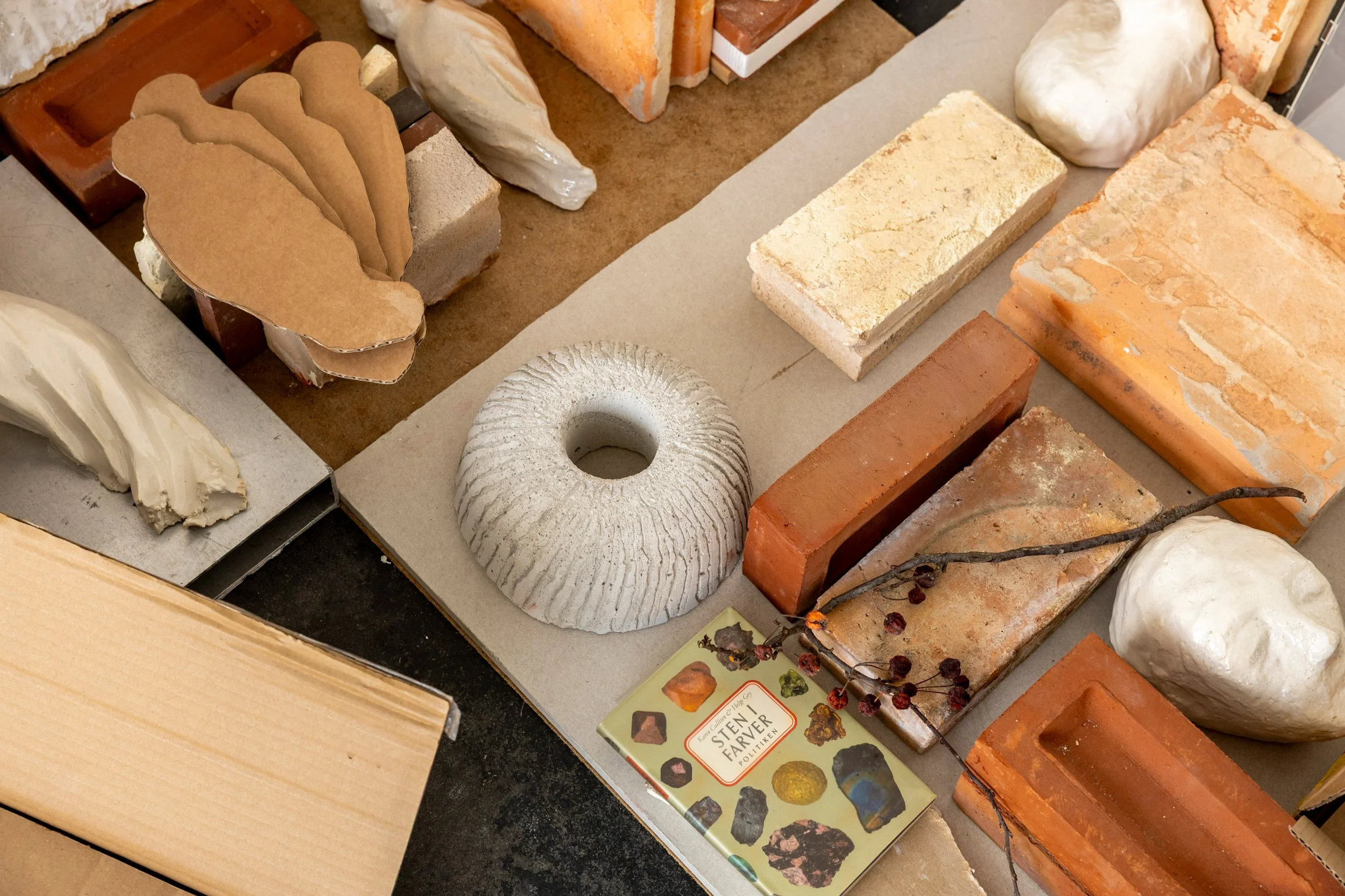
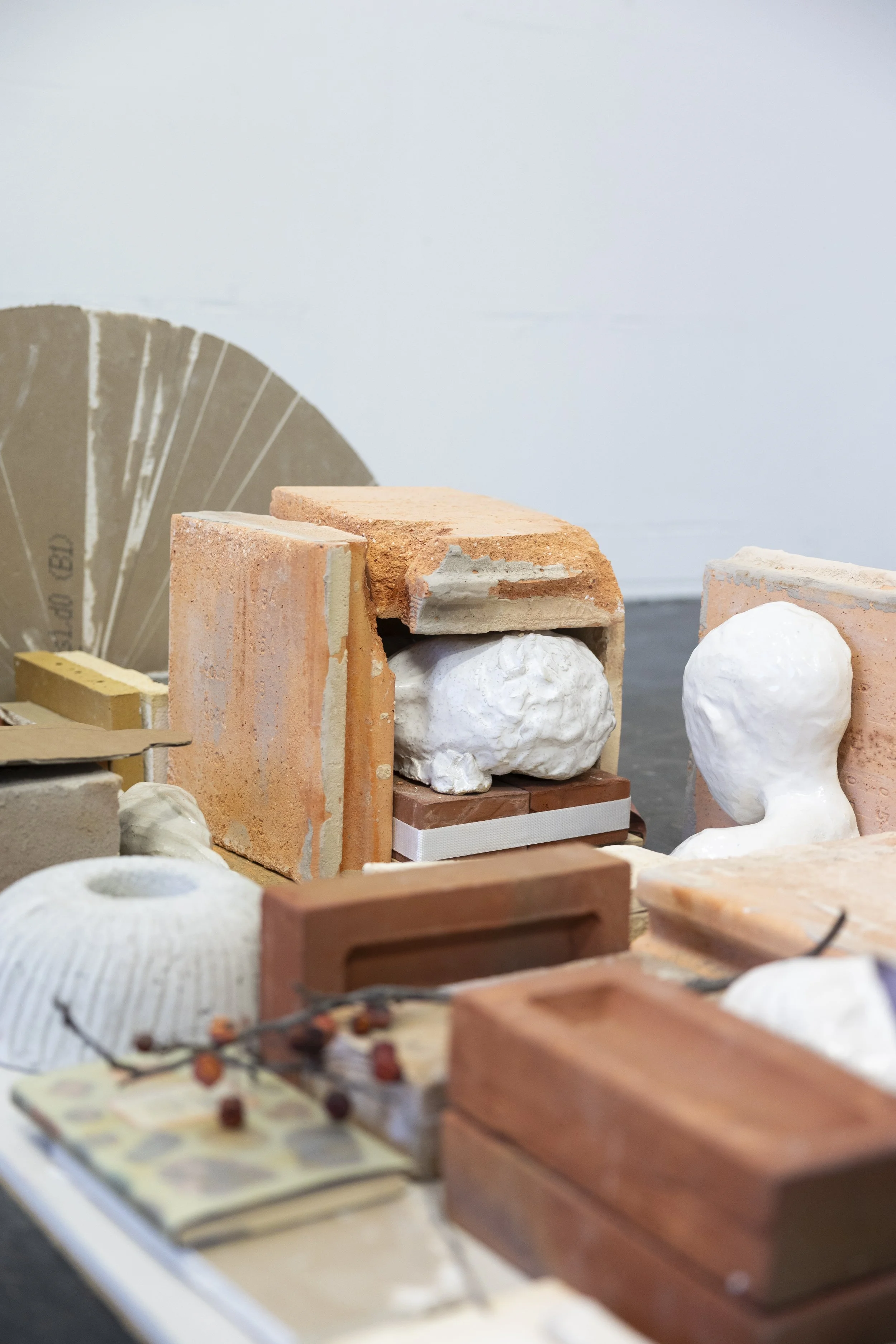
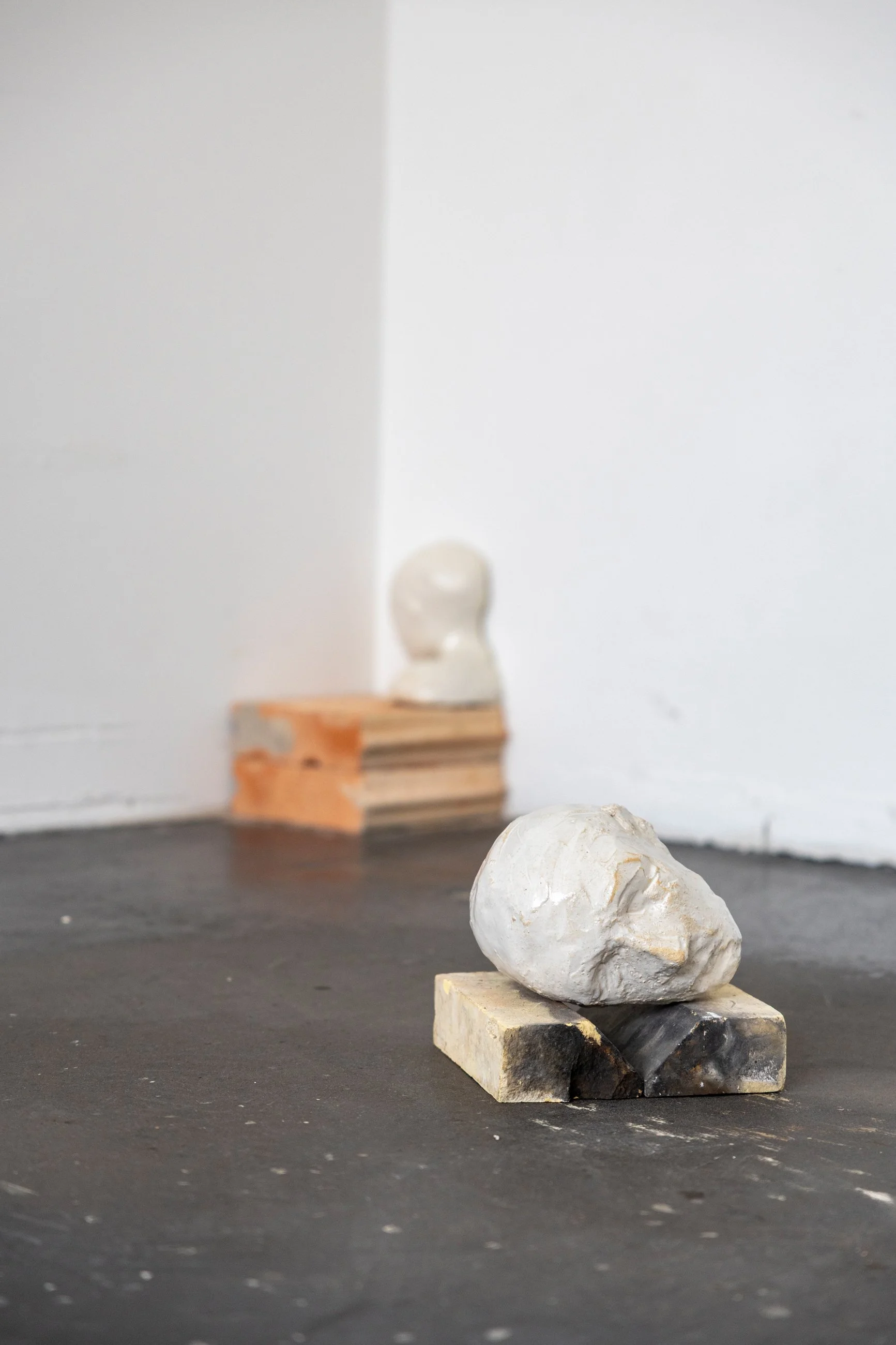
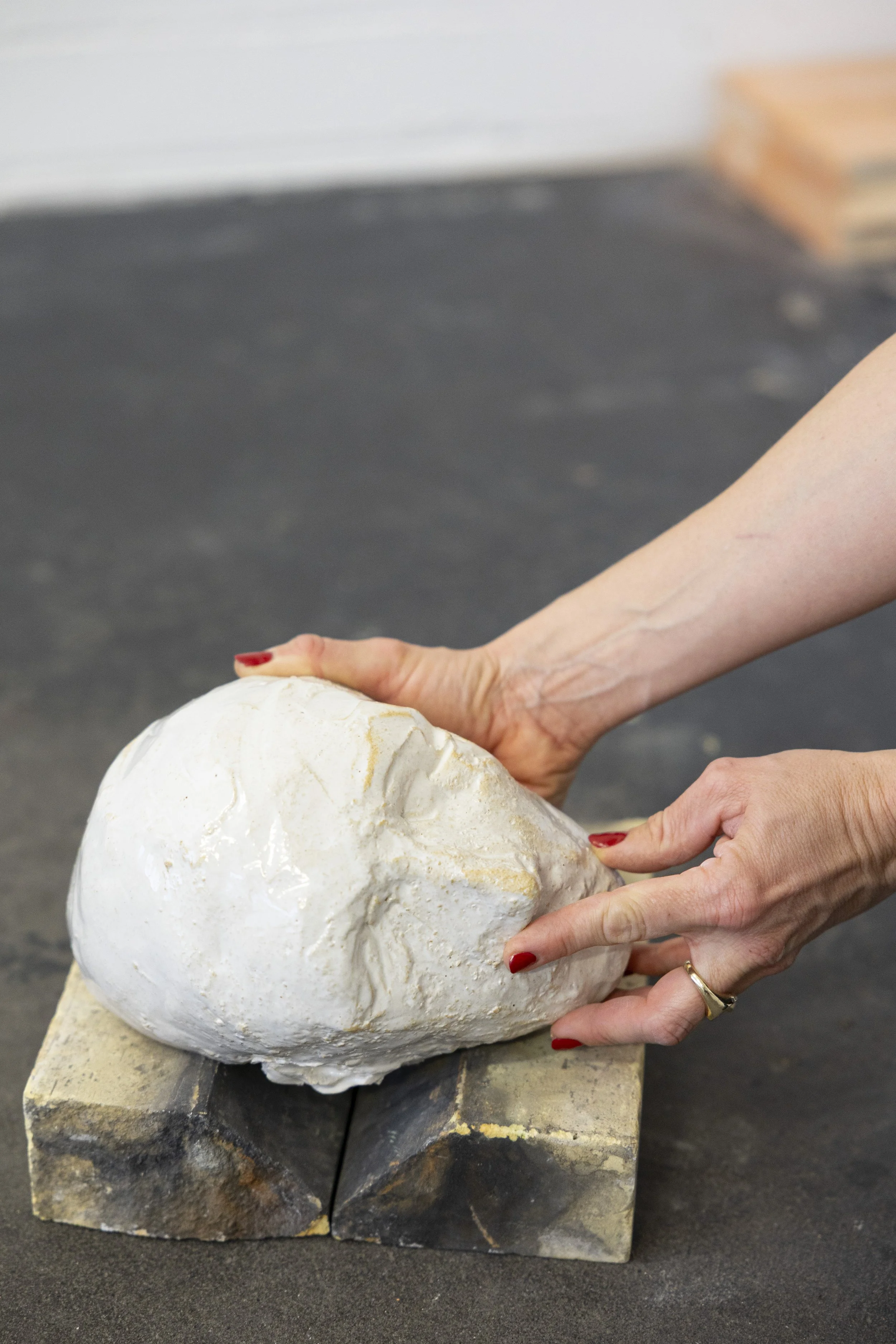
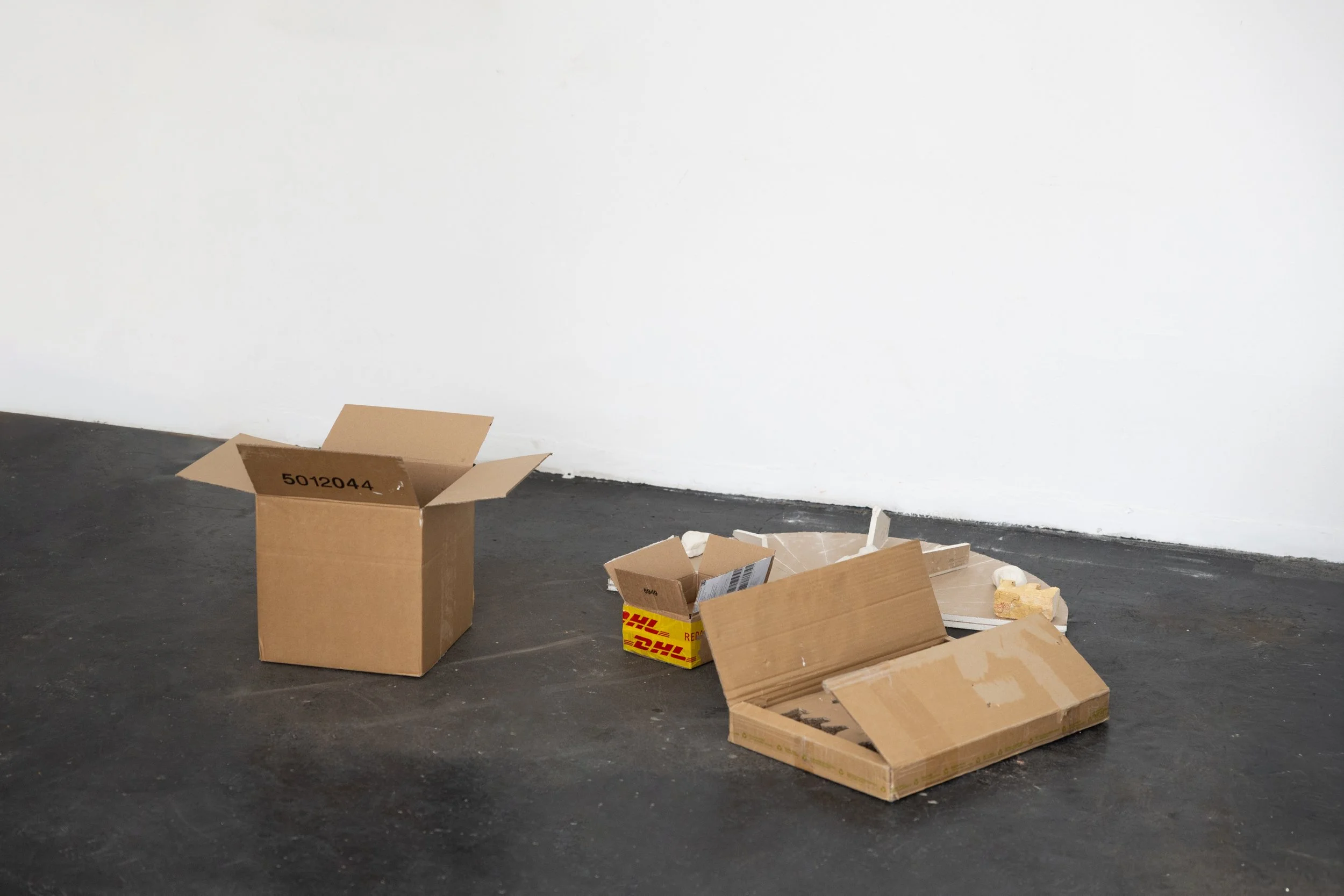
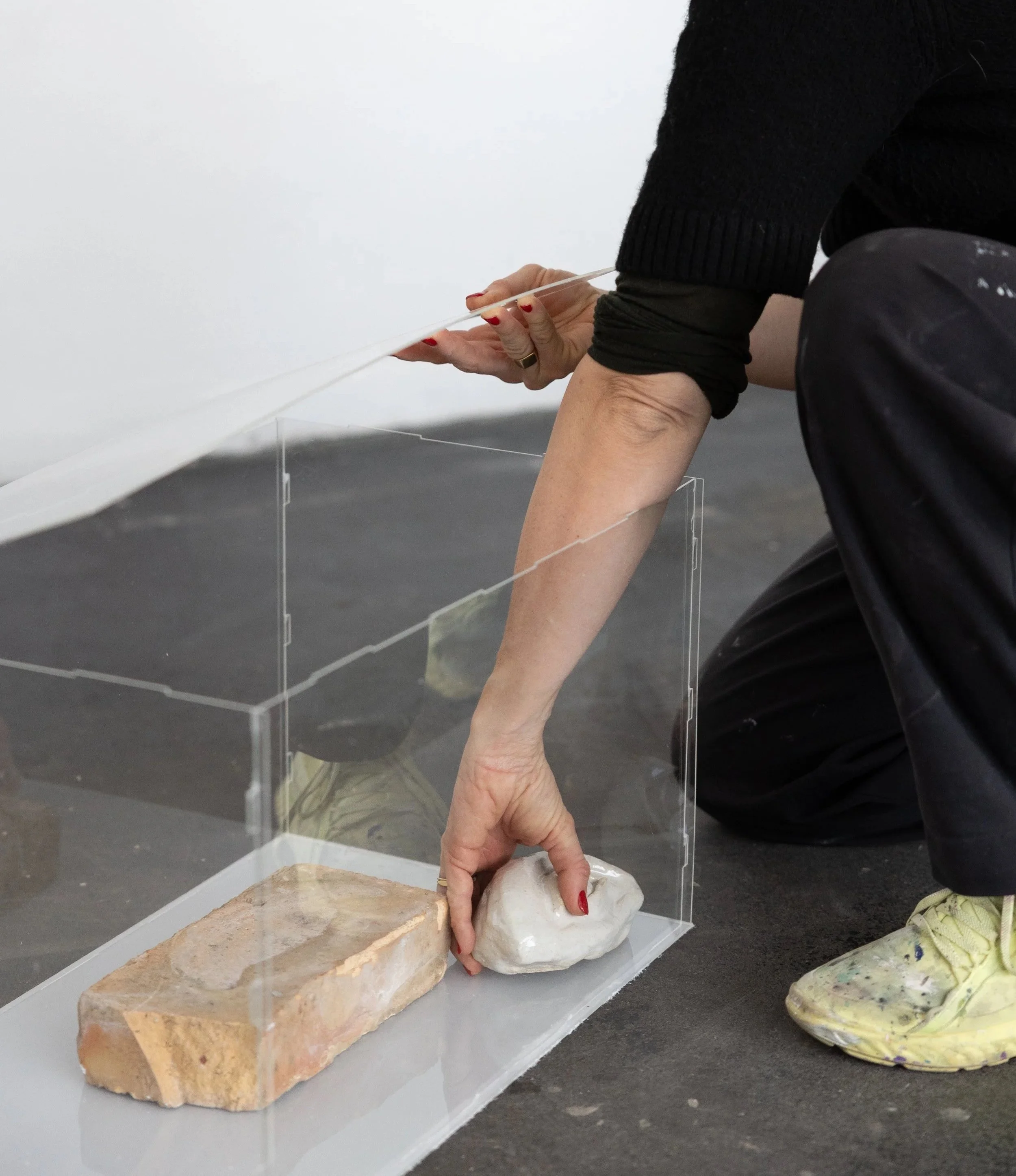
Materials: glazed ceramic, bricks, plaster, cardboard boxes, small book, paper, aluminium, branches, concrete.
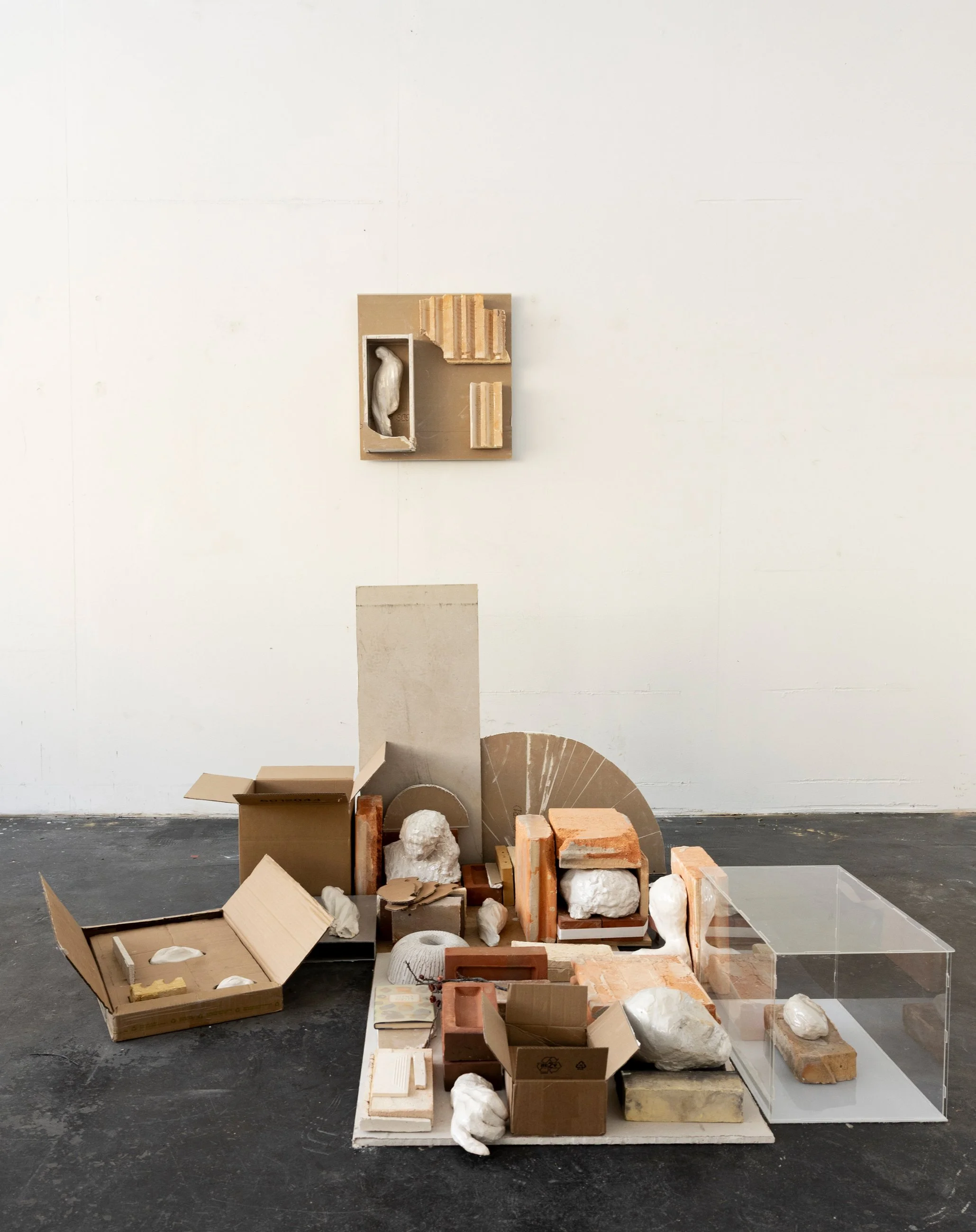
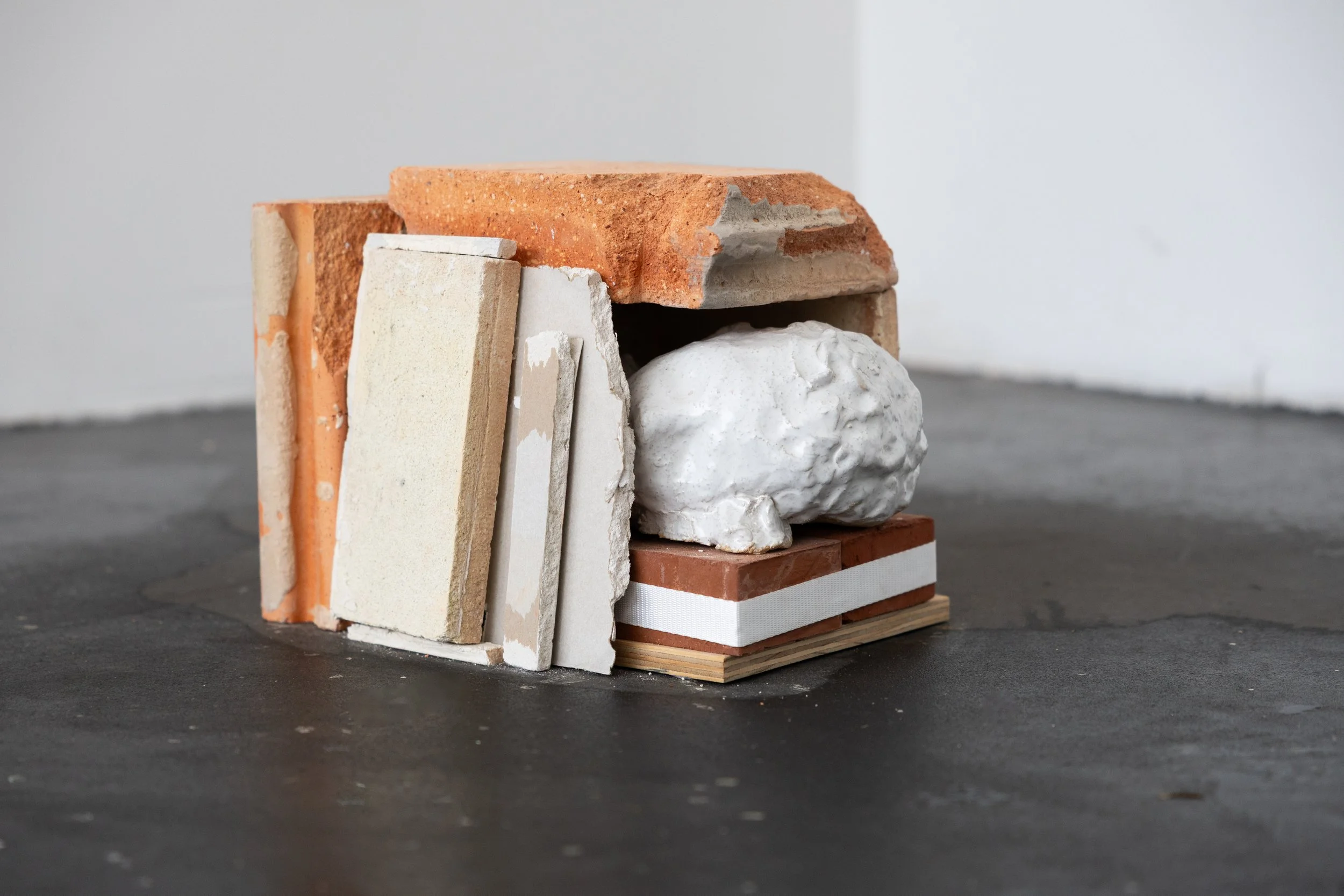
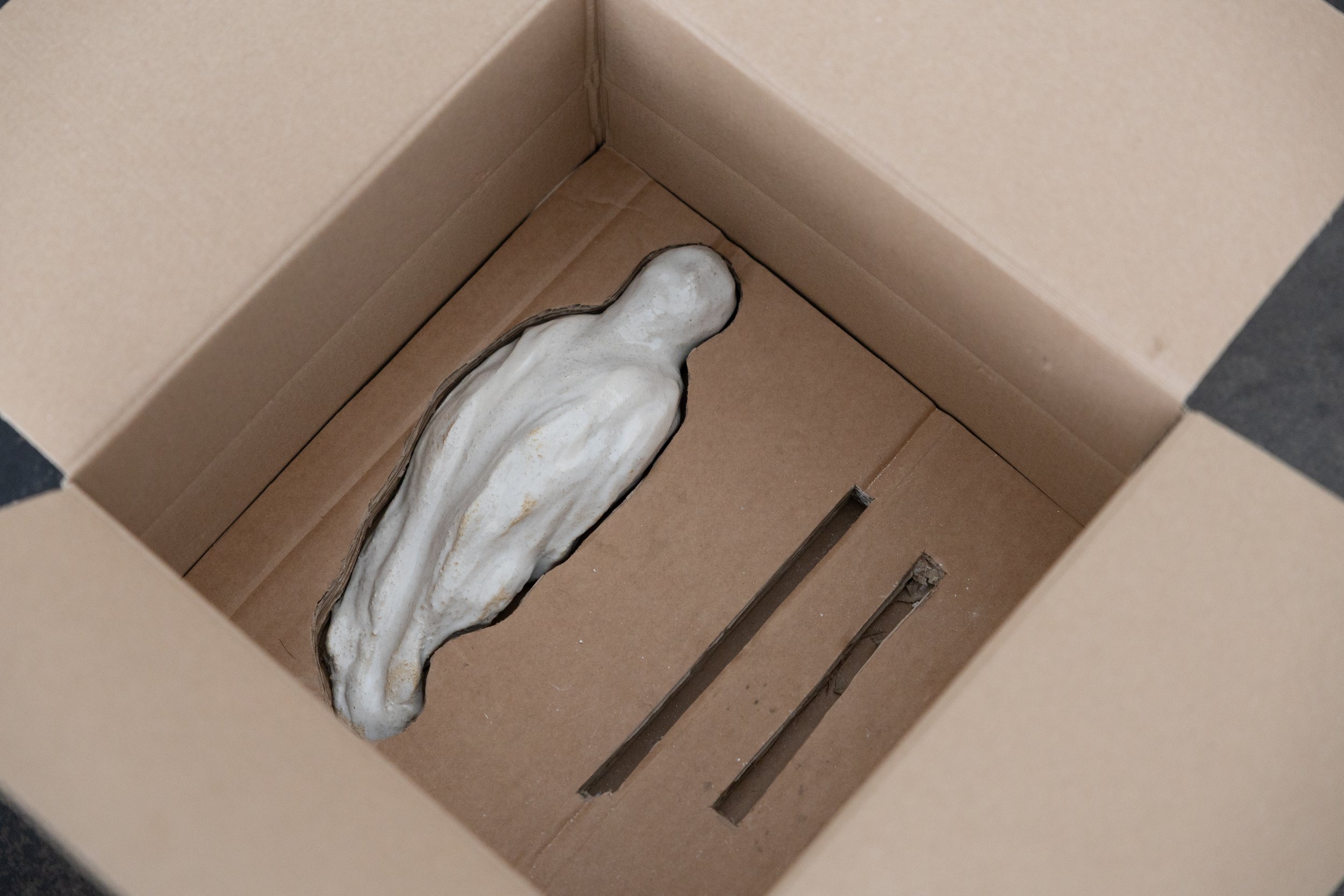
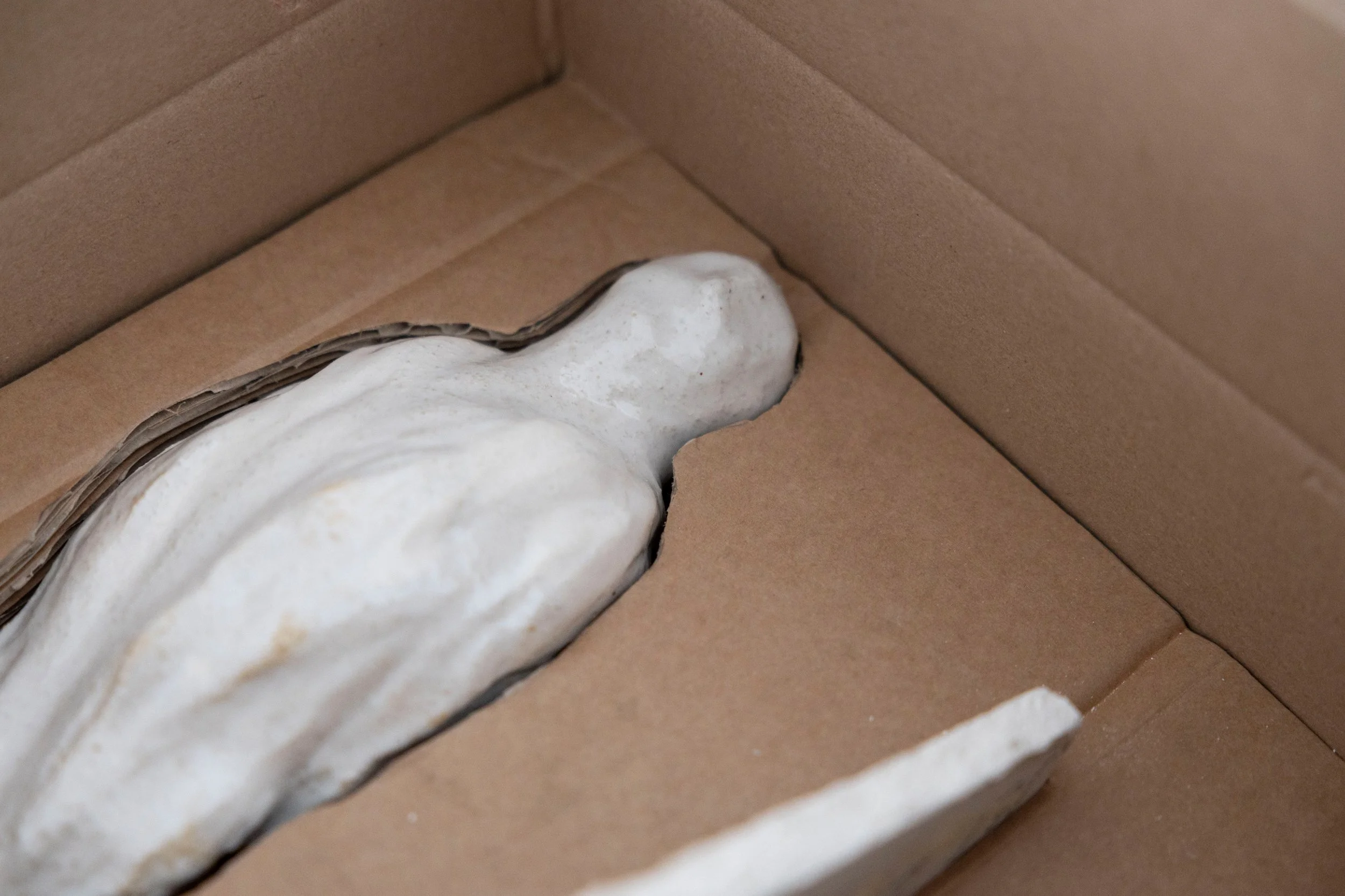
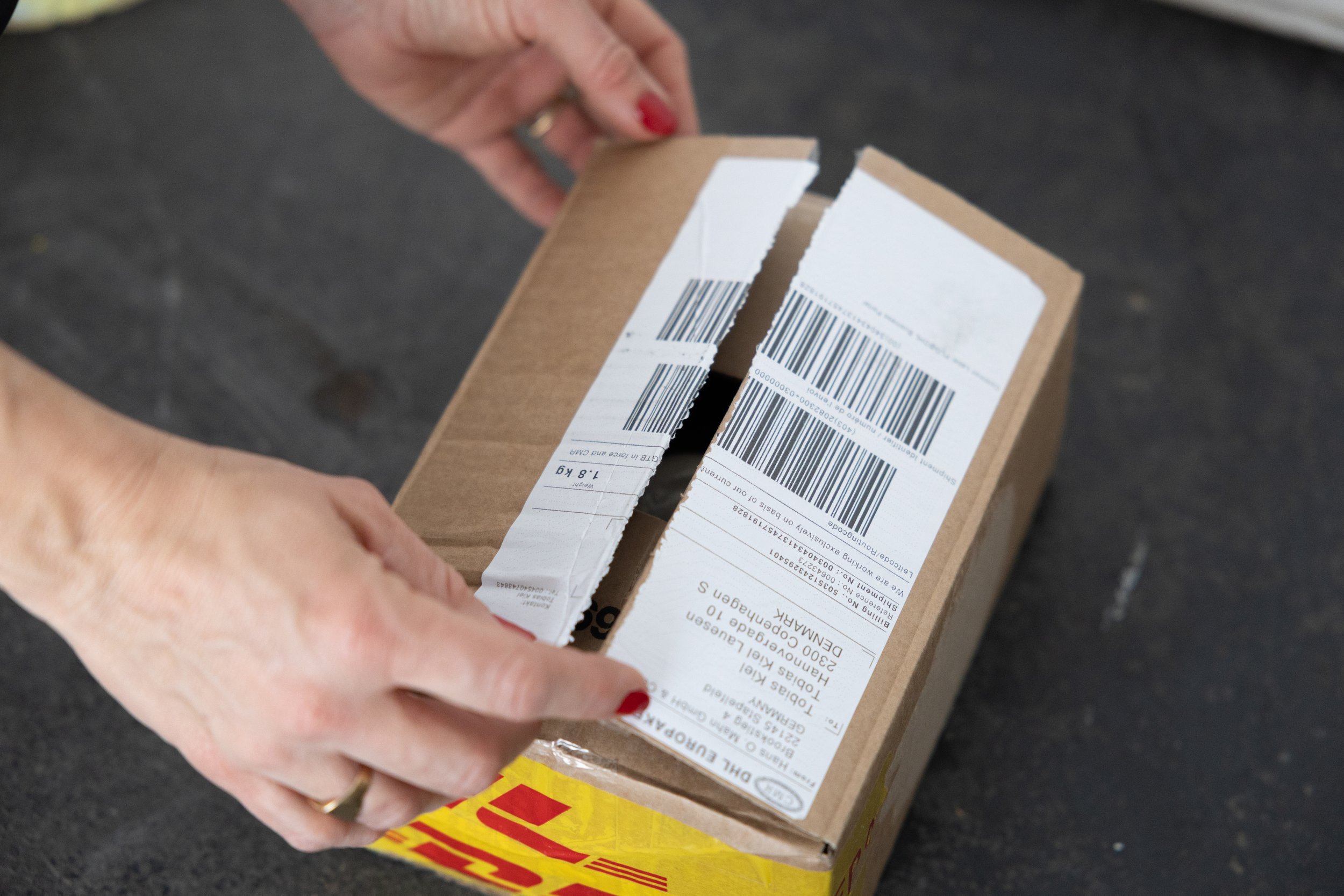
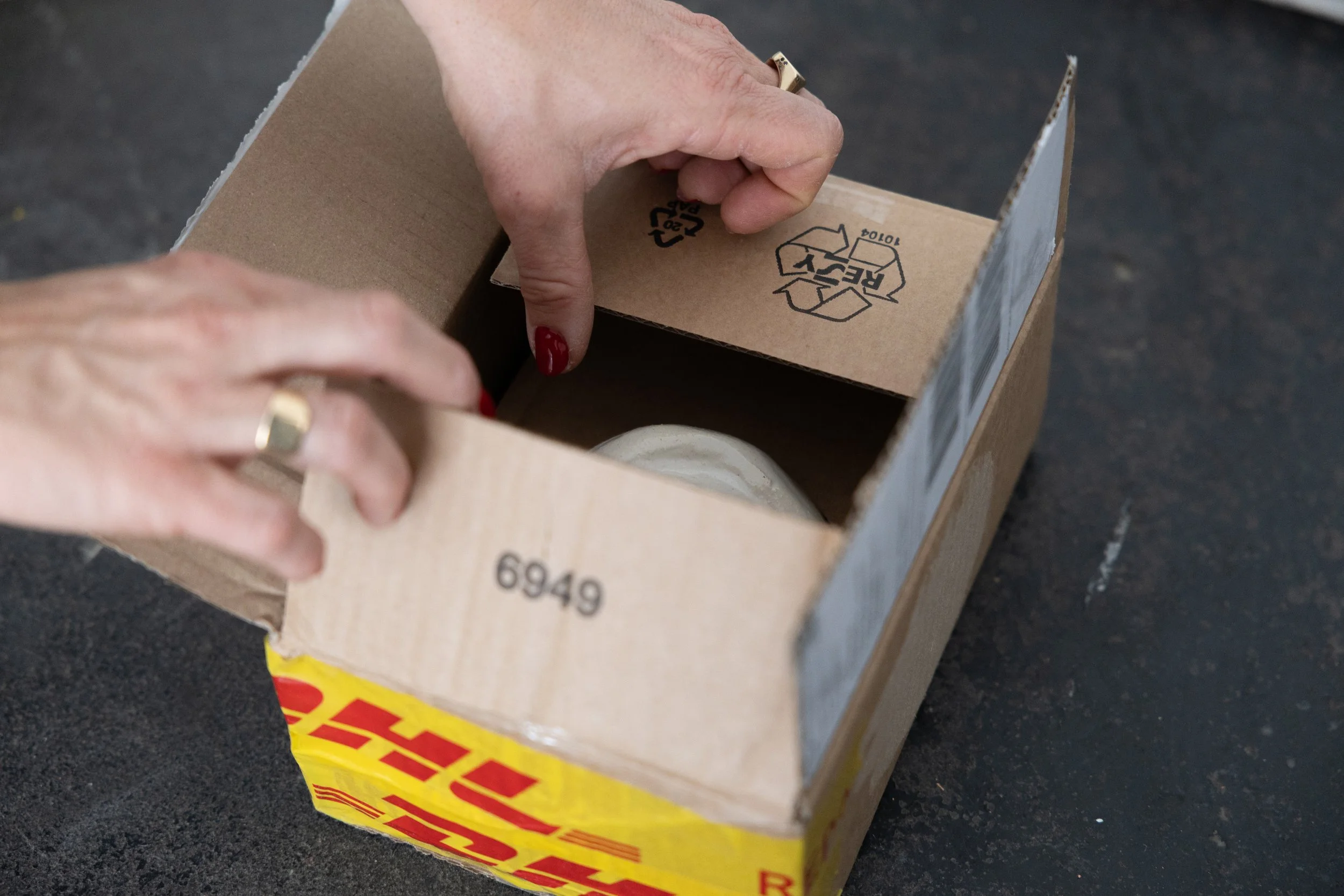
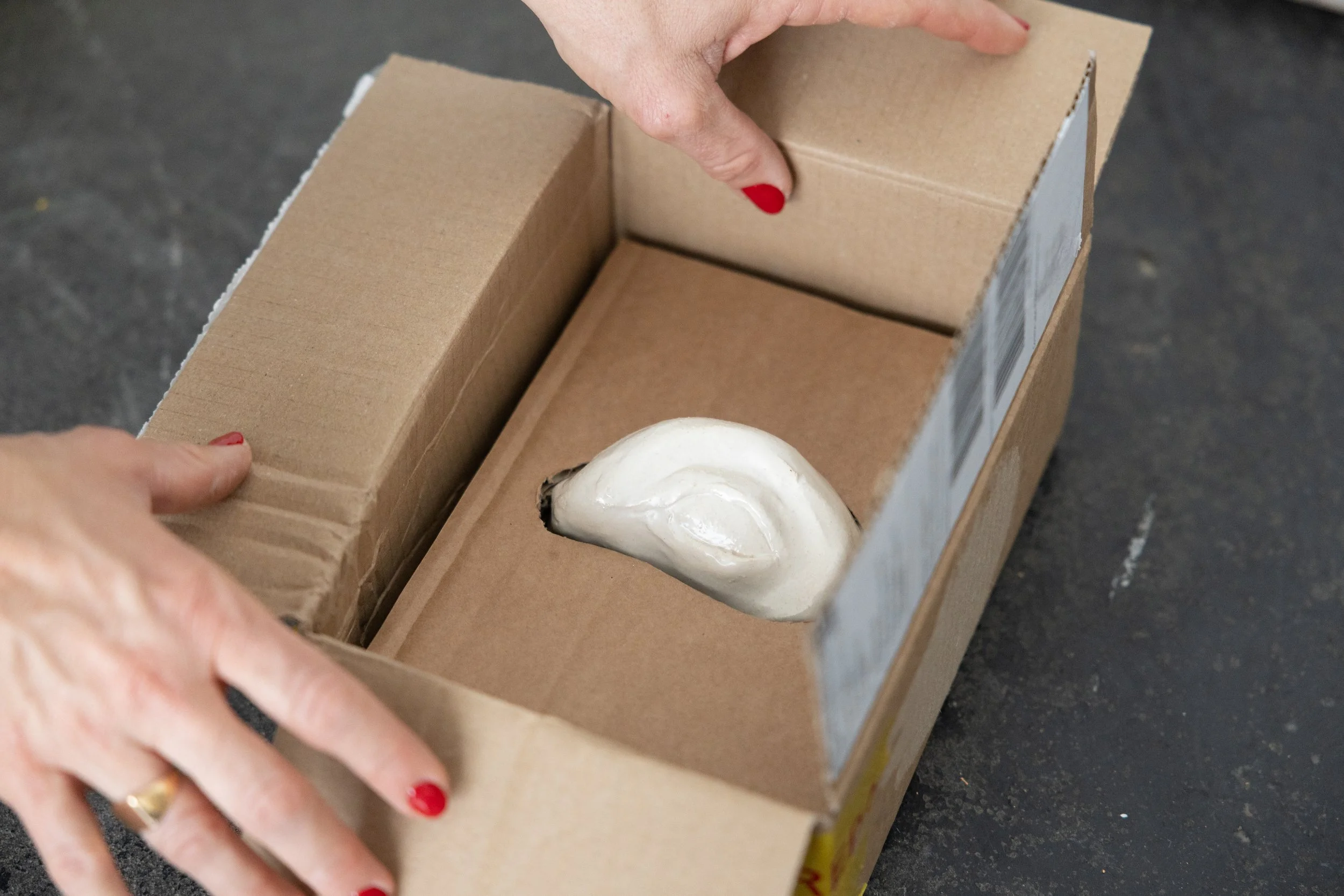
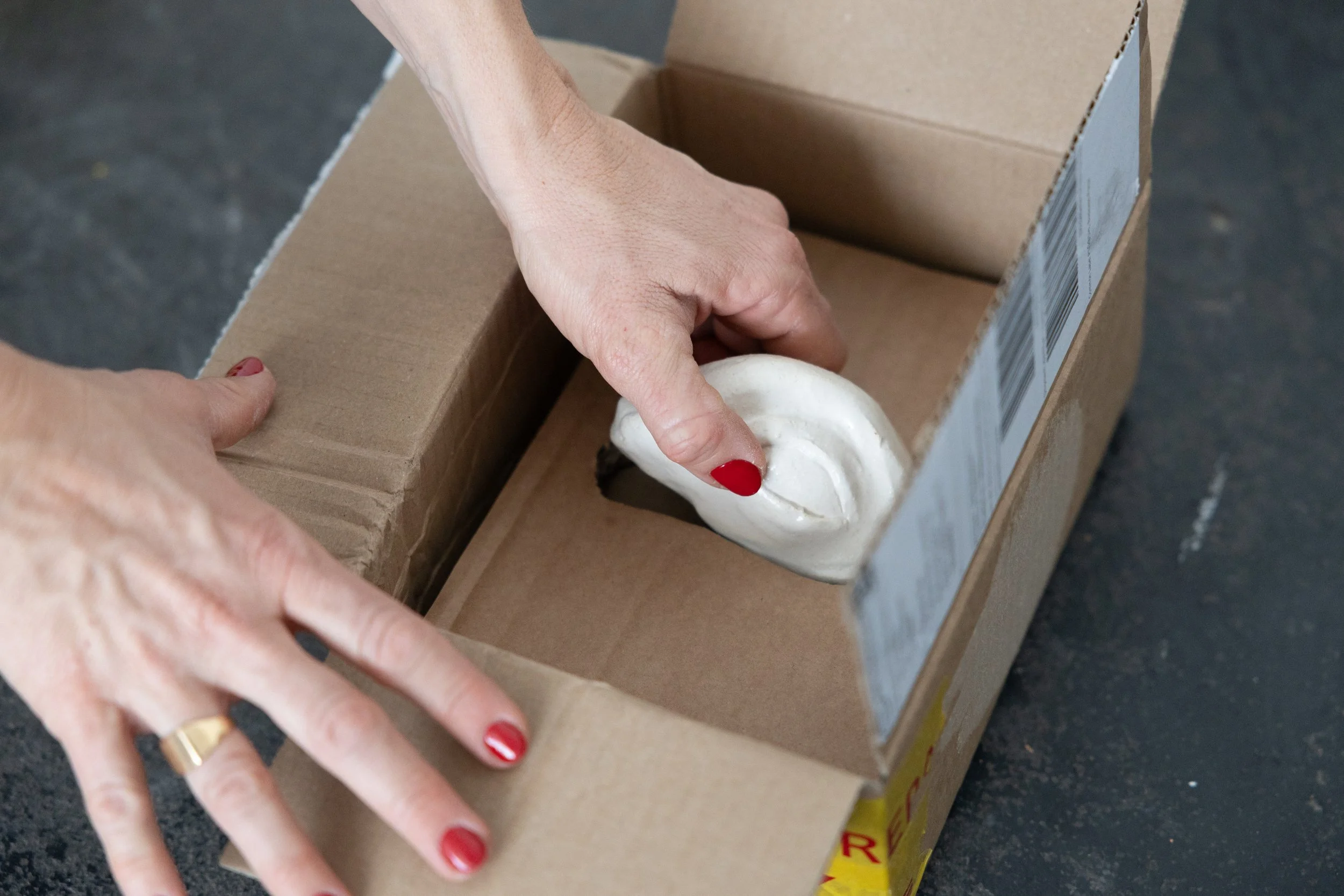
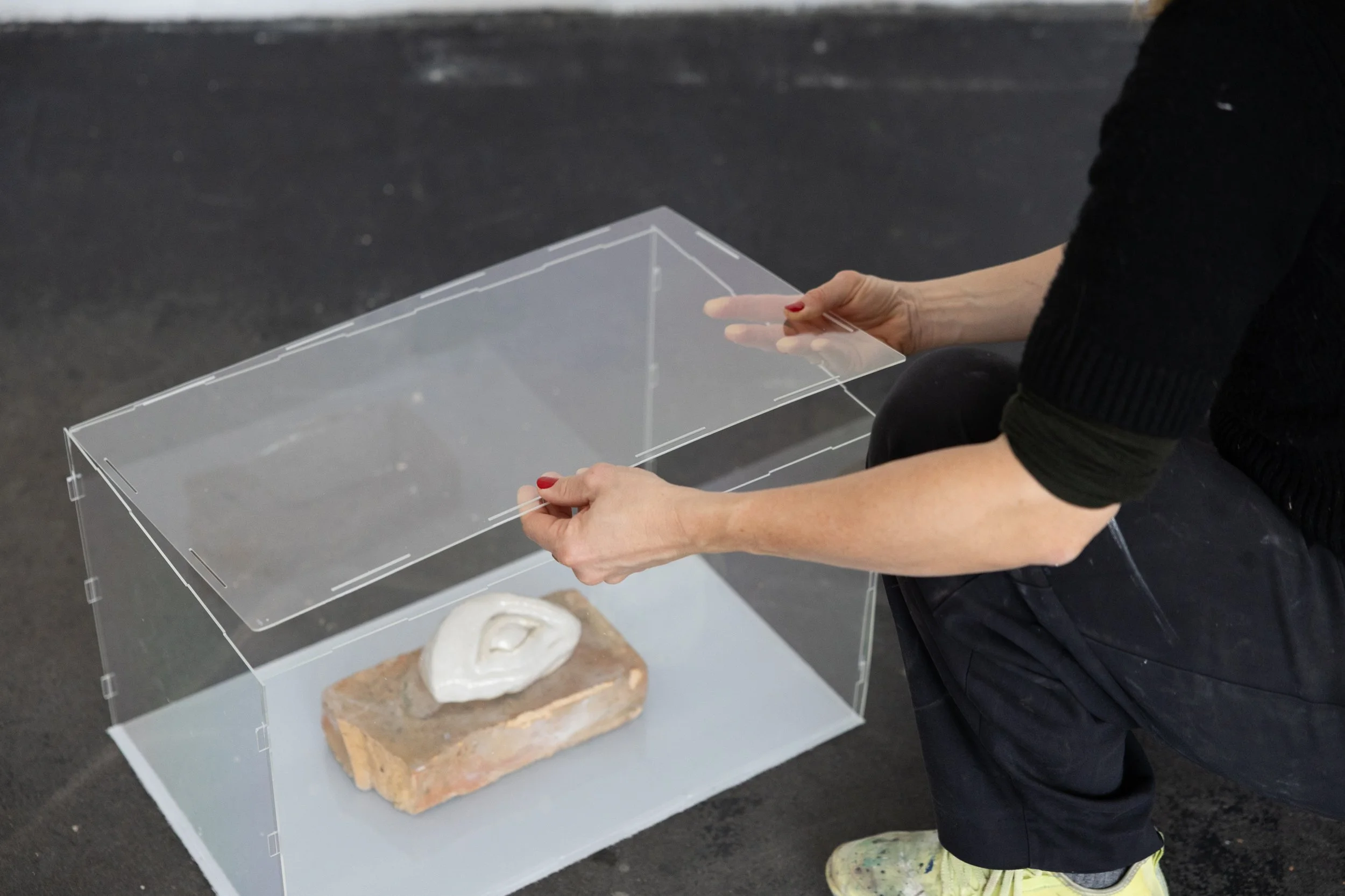
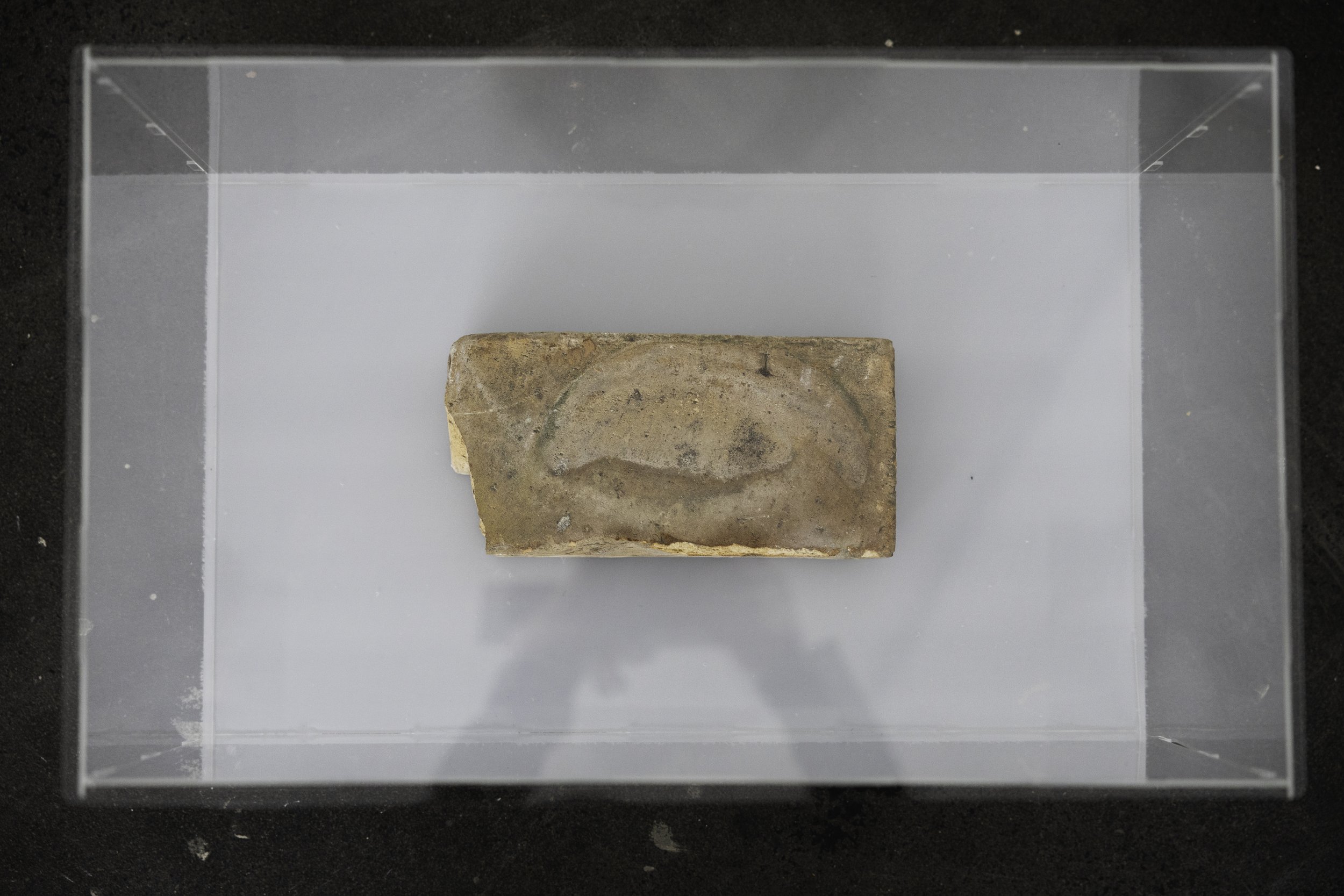
The Inner Archaeology has been ongoing for years. The first excavation took place when Mie Mogensen was in her early twenties. In the landscape of memory, time is elastic. Thirty seconds on a bench in grey weather become vast ravines filled with water, while two years at university appear only as a narrow footpath across a field. The landscape is in constant transformation. The sea creates new coastlines and mountains emerge. Forests and vegetation take over, covering paths and soft hills.
Every day, Mie Mogensen wanders through the landscape of memory and excavates objects. The objects come to her in streams of thought and recollection. They allow themselves to be shaped in her hands, and some of them she stumbles upon at the recycling station in falling snow.
When Mie Mogensen returns from her mental fieldwork, she presents the objects she has found. They carry stories of longing and loneliness, hope and dreams.
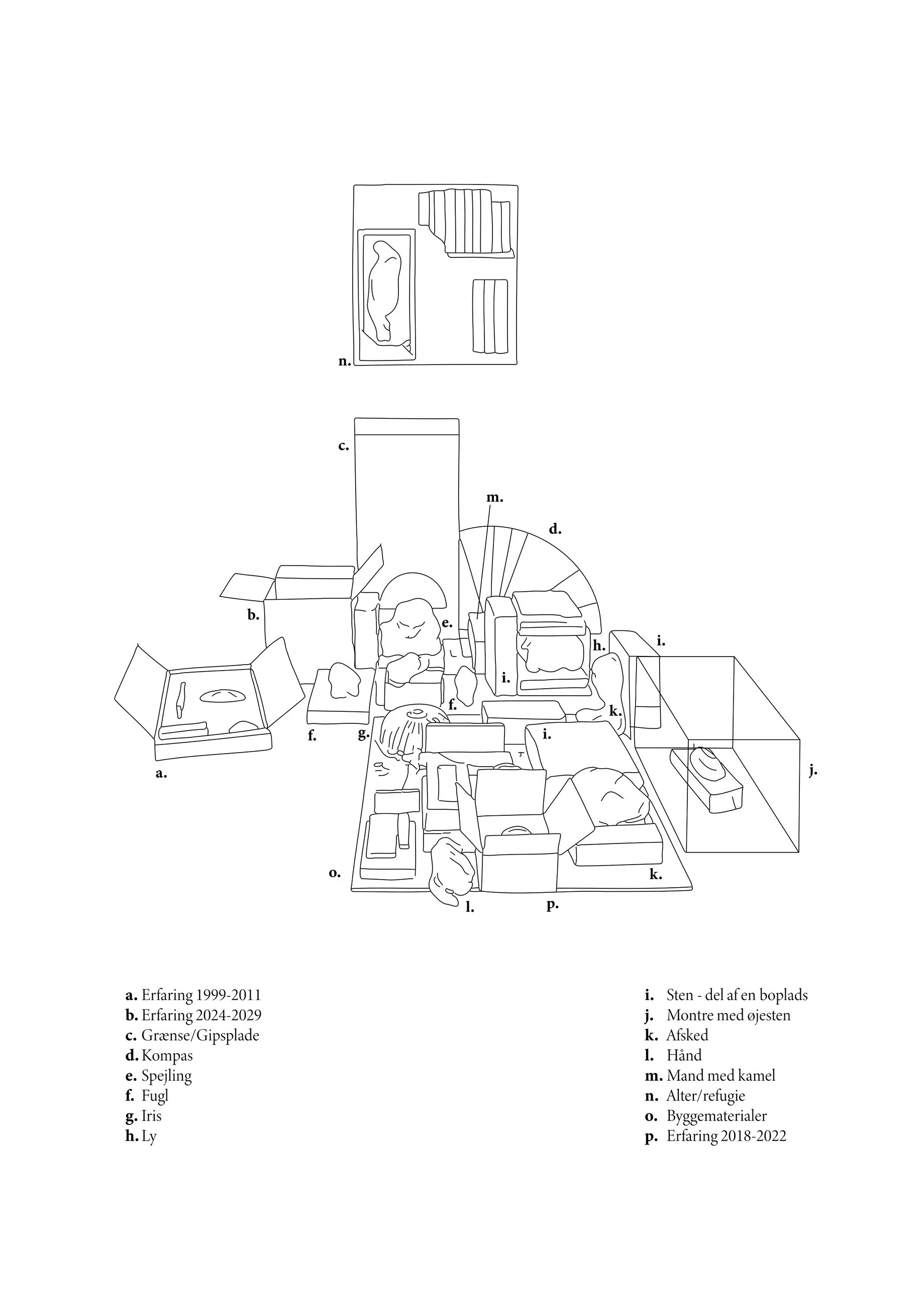
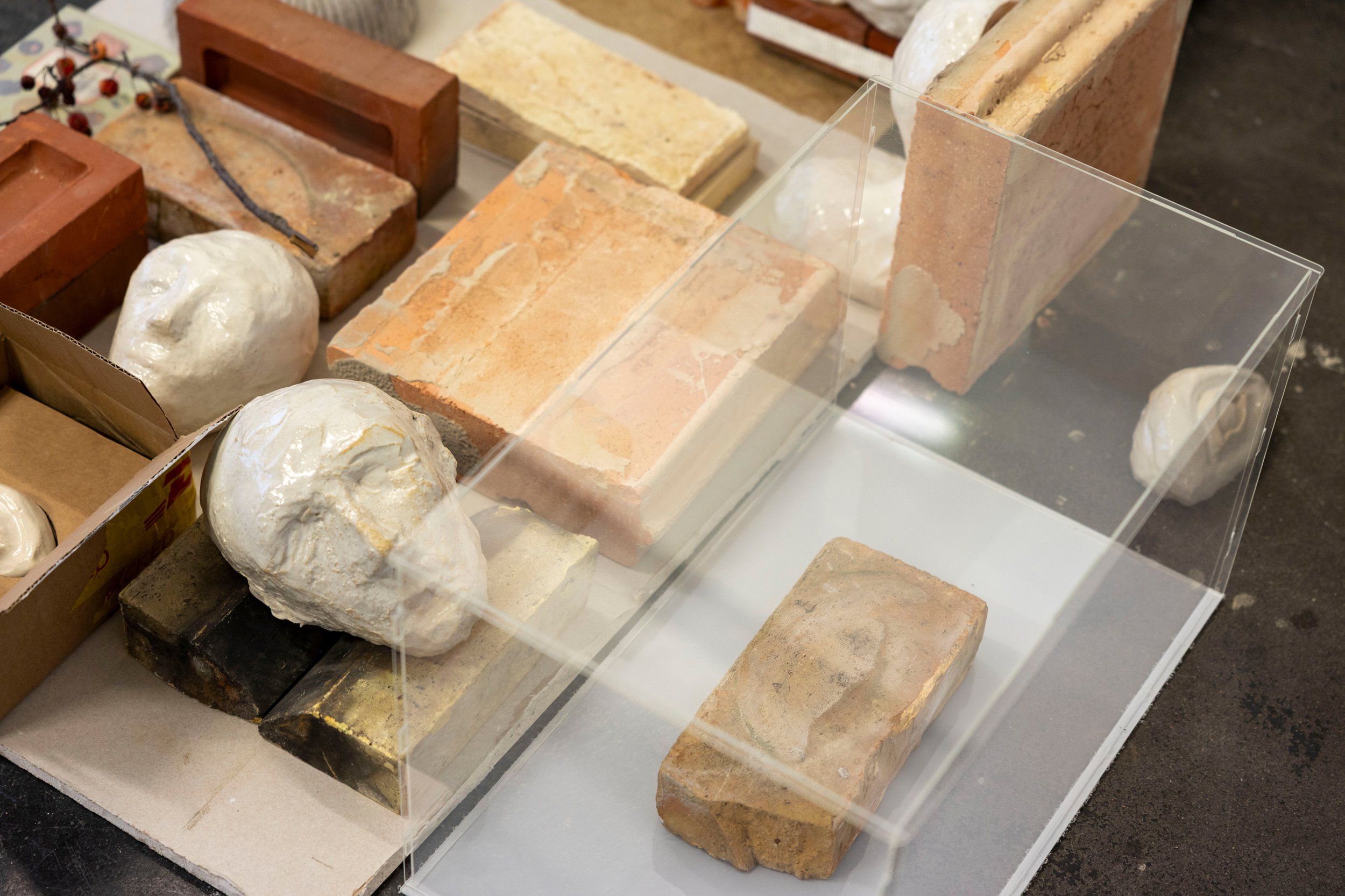
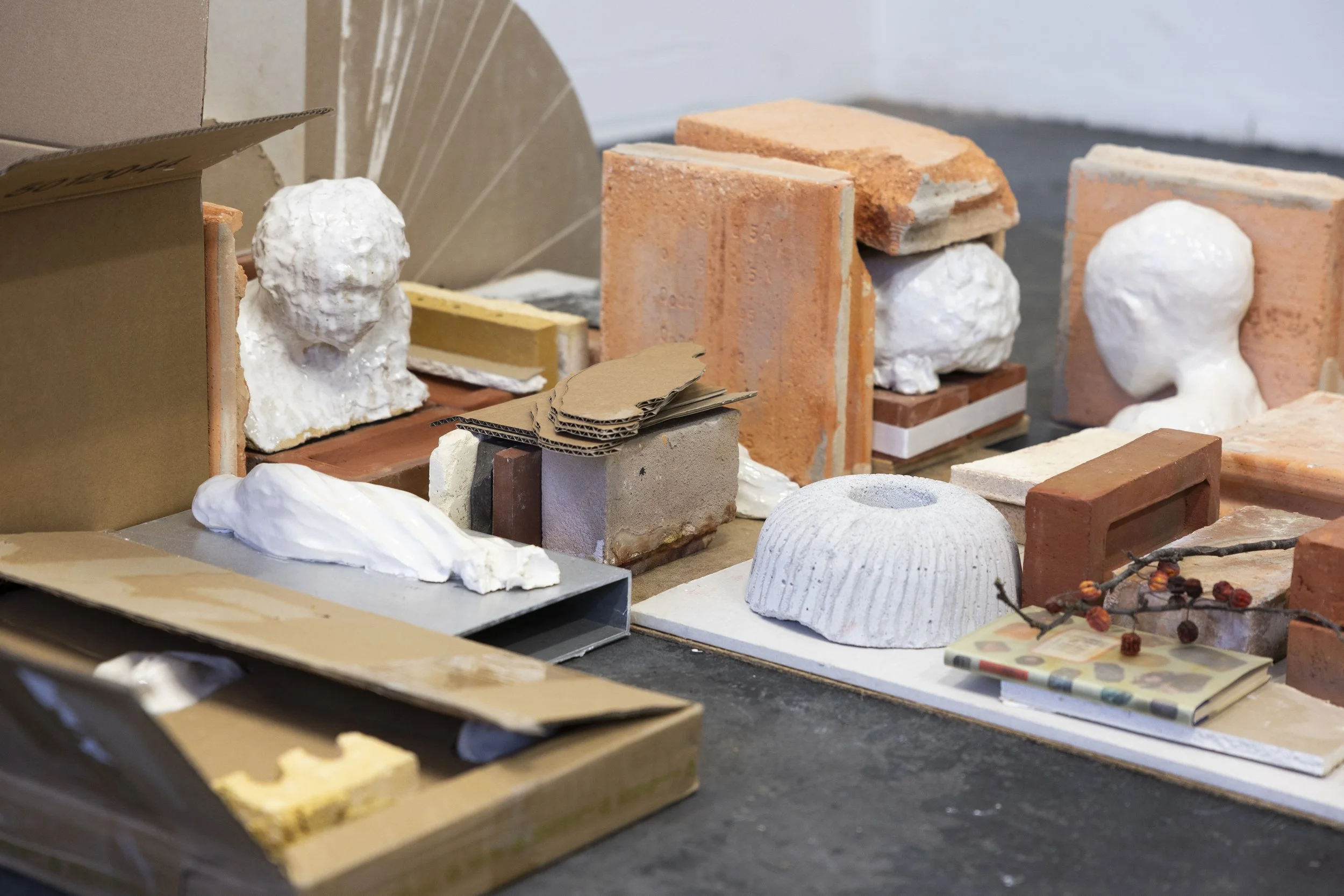
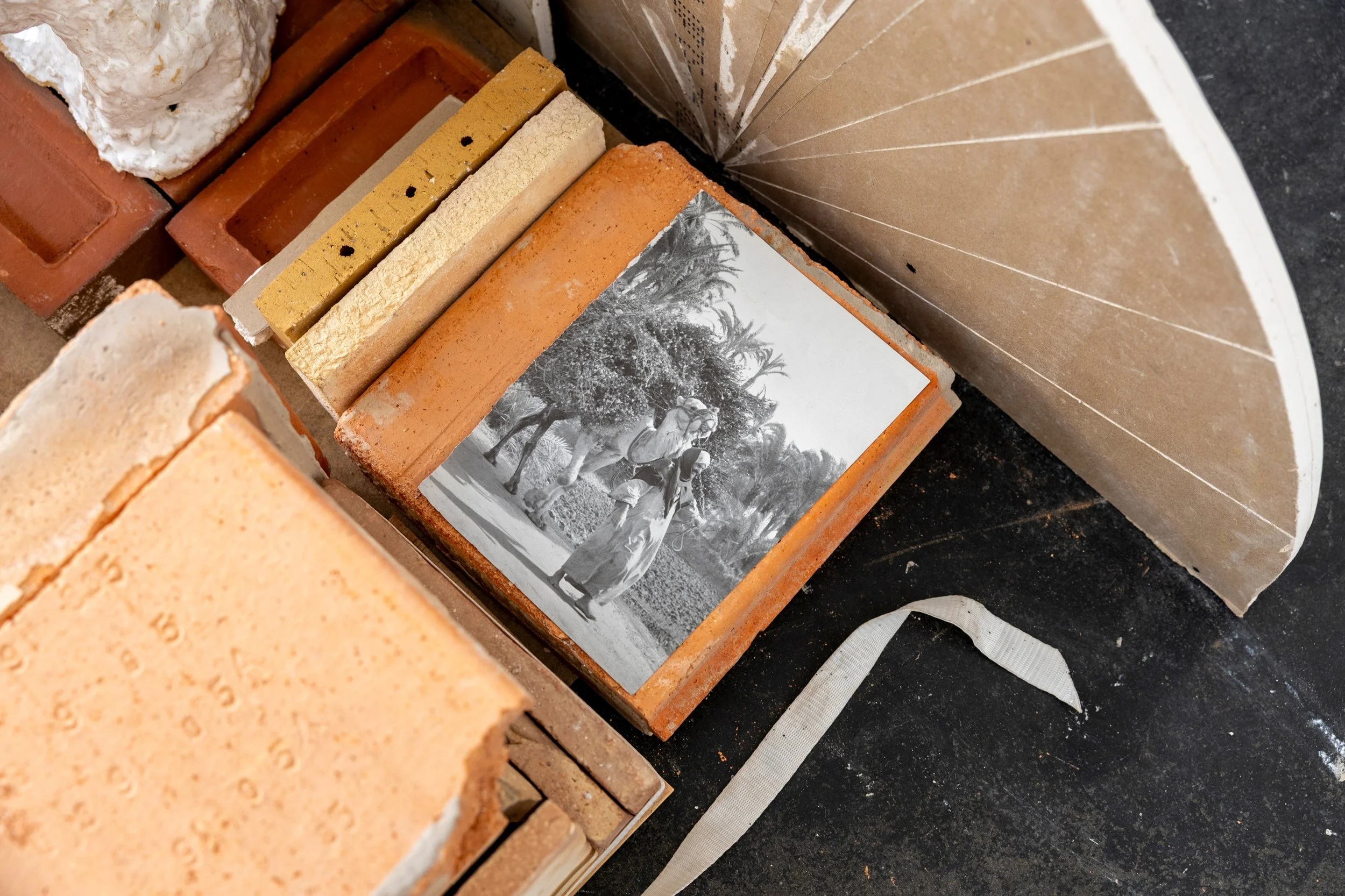
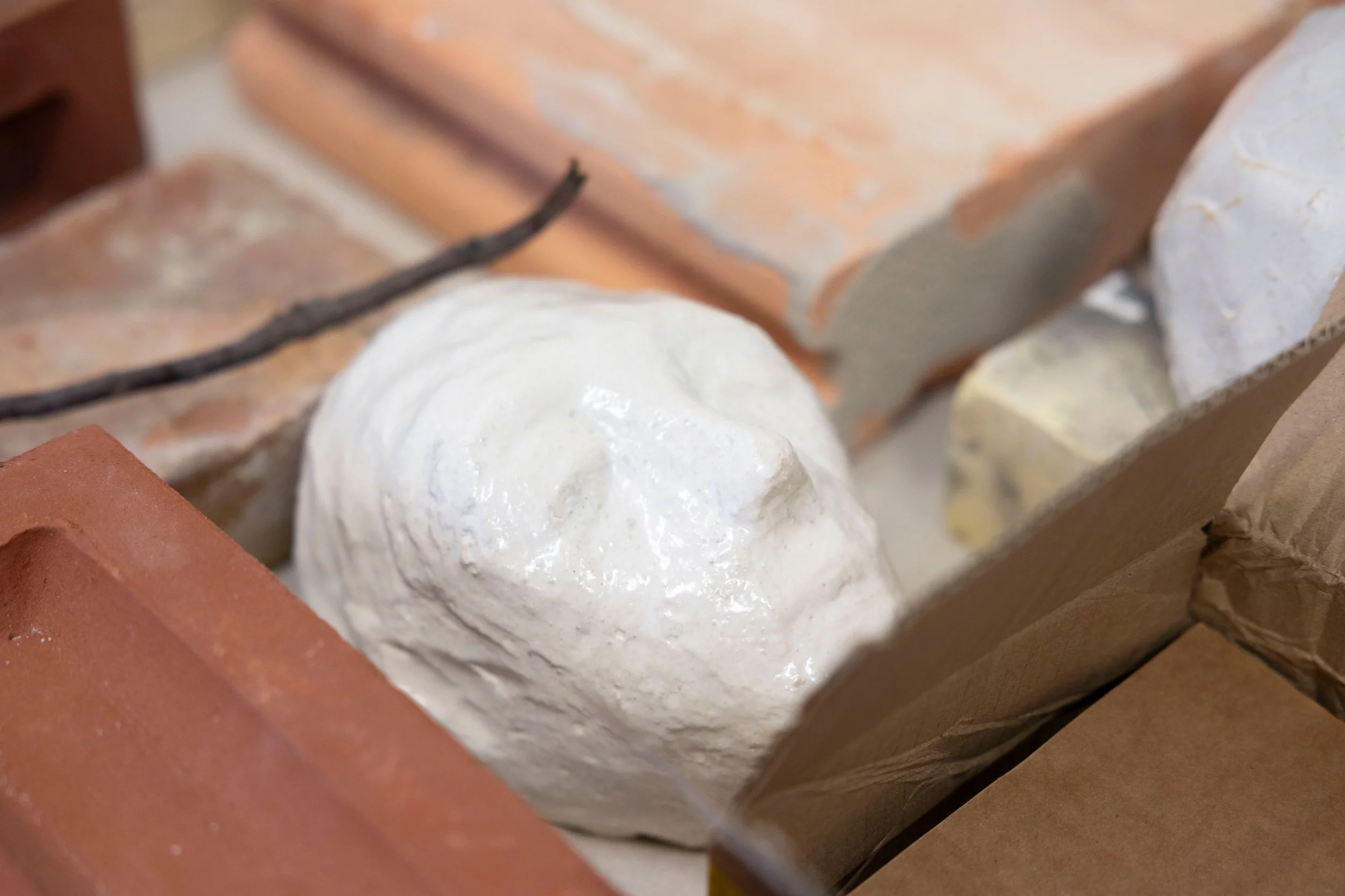
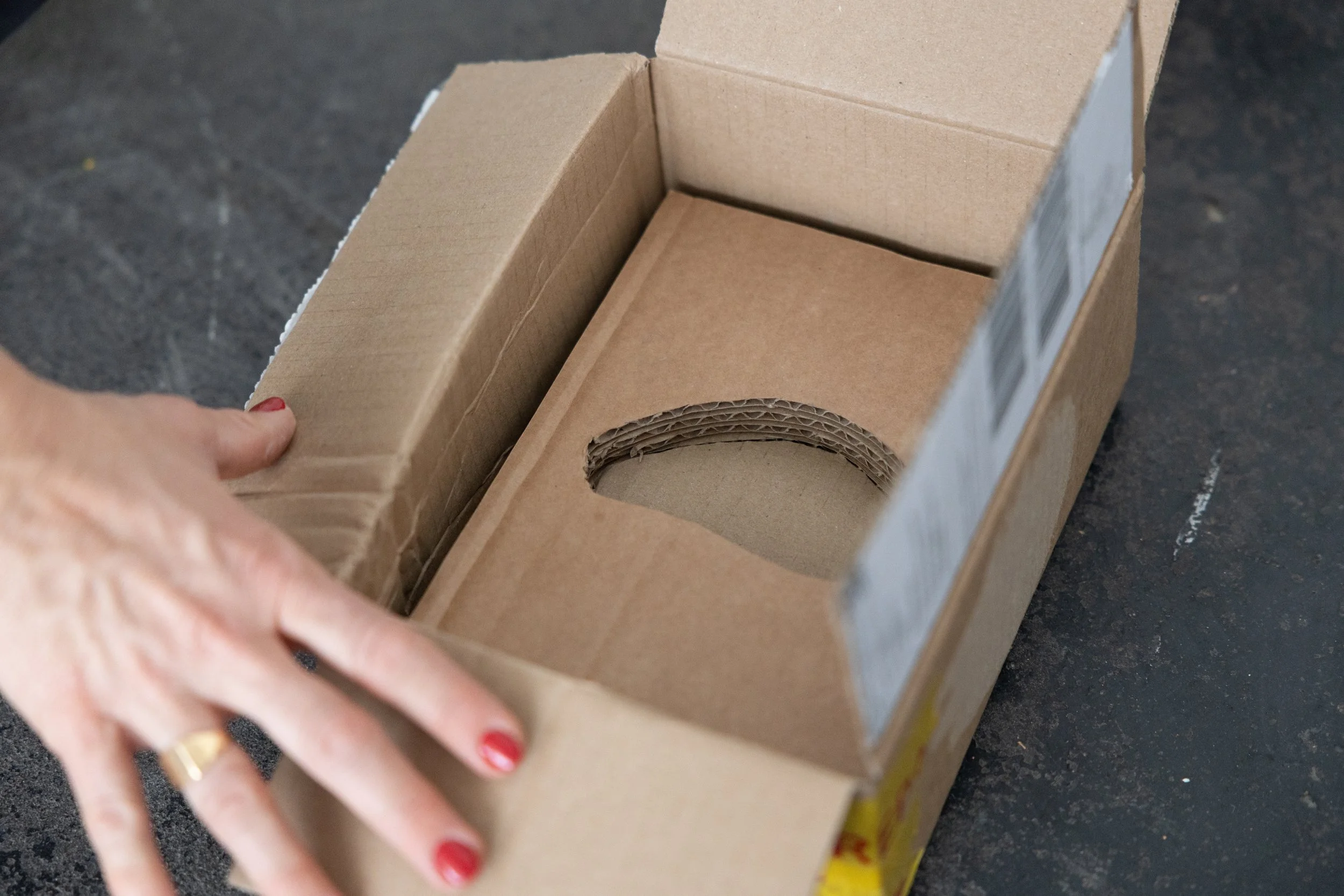
Experiences are distributed into boxes, while other things must be unpacked. At the very back, the outline of a compass can be seen, but a boundary has also been set somewhere. Somebody looks at herself in a mirror, and another has hidden herself or taken shelter. Rubble and building materials may be signs of a settlement. Perhaps a home. On the wall behind hangs a relief of a bird. It could be an altar or a refuge for something particularly important. The bird reappears in several places, and there are pieces of cardboard in the same shape as the birds. They may be shadow-bearers — or simply poor copies. One person sleeps heavily and another turns their back. It is probably some sort of goodbye. Eyes, an iris, and impressions of a gaze on fireproof stones appear in several places, bearing witness to impressions and gateways to new terrain. An old photograph of a man with a camel stands without caption, and it should probably remain that way.